
New Zealand: North Island, South Island and choosing a route
New Zealand lies in the South Pacific and includes the North Island, the South Island and many smaller islands. Cook Strait separates the two main islands. For a visit, choosing a few regions often works better than continually moving between distant destinations. Cities, volcanic landscapes, coastlines and alpine areas each need time for both travel and the stay itself.
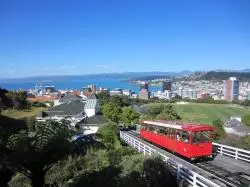 Blick auf Wellington
Photo: Markus Lenk
North Island: cities and volcanic landscapes
Auckland occupies an isthmus between two harbours. Its neighbourhoods, waterfront and surrounding island setting shape a city stay. When choosing a base around Auckland, think about whether your days will focus on urban visits or trips into the wider region.
In the central North Island, Tongariro's volcanic landscapes offer a very different setting. Rotorua combines geothermal features with Māori cultural experiences, while lakes and forests add further possibilities for an inland journey. Cultural experiences belong to particular places and hosts; allow time for them alongside outdoor activities.
Wellington, at the southern end of the North Island, is the national capital. Te Papa, the national museum, brings together subjects including art, natural history and the country's history. A North Island itinerary can therefore combine cities and cultural visits with days in natural environments rather than treating the island simply as a journey between airports.
South Island: mountains, coast and fiords
The Southern Alps shape much of the South Island. Aoraki/Mount Cook is associated with a high alpine environment of rock and ice, while the West Coast brings wet coastal landscapes close to the mountains. Fiordland, in the south-west, has valleys, lakes and fiords formed by ice. These are distinct regions deserving separate time within a wider itinerary.
Choose between a short walk, a day hike and a demanding alpine outing according to the actual route. Weather, daylight and the terrain affect how much fits into a day. If you include both main islands, give the Cook Strait crossing its own place in your schedule.
Choose bases around your priorities
A city stay and several nights near a natural area serve different purposes. Match accommodation in New Zealand to the places you want to visit and the number of moves you enjoy. Spending longer in one area leaves more room for a museum, a waterfront walk or a second day outdoors.
For a combined Australia and New Zealand trip, allocate each country its own part of the journey. Another flight and the associated arrival and departure time use days that could otherwise extend a regional stay. A clear focus gives you more time to experience the places you have chosen.
