
Kangaroo Island: history and landscapes
Kangaroo Island lies off the coast of South Australia and brings a striking coastal landscape together with a layered history. British navigator Matthew Flinders made the first written European record of the island in 1802; French captain Nicolas Baudin charted its coastline in 1803. Archaeological evidence records Aboriginal presence long before European voyages: occupation at Seton Rockshelter has been dated to about 16,100 years before present. Sea levels were lower then, and the island was still connected to the mainland.
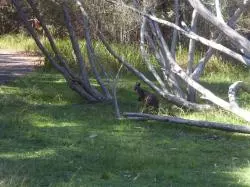 Känguru Insel, Kangoroo Island
Photo: Markus Lenk
Country and early history
Rising seas separated Kangaroo Island from the mainland around 9,500 years ago. Aboriginal peoples’ relationships with the island reach back through this long landscape history. Ngarrindjeri and Ramindjeri traditions connect the island with Ngurunderi; its spiritual meaning is part of living cultural contexts. European accounts from the early nineteenth century reported little human presence when Baudin and Flinders visited. Archaeological places and stone tools, however, show long use of the land. Aboriginal women also lived on the island, including women who came with sealers or were taken by them.
Sealers and whalers used the island from the early nineteenth century. European settlers arrived with the founding of the colony of South Australia in 1836; the new settlement displaced the sealers and permanently changed life on the island.
Landscapes and wildlife
Visitors can combine nature and landscape history on Kangaroo Island. At Seal Bay, guided tours bring visitors to the habitat of Australian sea lions. Flinders Chase draws visitors to the granite formations of Remarkable Rocks, Admirals Arch and its coastal scenery. Kangaroos, tammar wallabies, echidnas and many birds are part of the island’s wildlife. Choose Seal Bay for the sea lions or Flinders Chase for striking rock formations and the island’s western coast. Include Kangaroo Island in a wider South Australia itinerary. Choose coastal areas and parks to suit your interests, allowing enough time for driving and time on the island. Match accommodation in Australia to your planned stops and the season and route.
